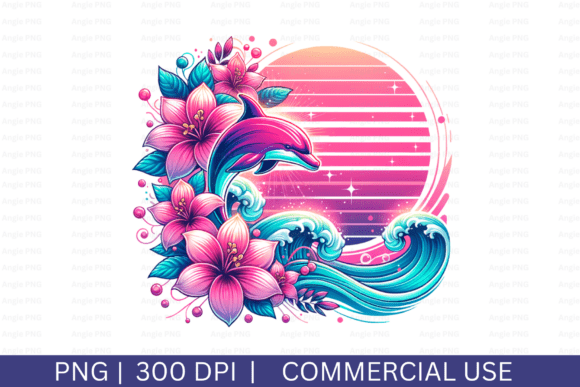
Summer Pink Dolphin, Tropical Flowers: A Designer's Real-World Review
As someone who has spent years reviewing embroidery designs and running a small handmade shop, I know that the difference between a cute digital image and a successful embroidery project often comes down to practical judgment. When I first encountered the Summer Pink Dolphin, Tropical Flowers design, my initial reaction wasn't just about how pretty it looked on a screen, but how it would translate into thread. This is a Crafts and Graphics asset that promises a vibrant summer vibe, but does it hold up under the needle? After simulating its use in various scenarios, from custom tote bags to baby apparel, here is my honest assessment of how this design performs in real-life applications.
The First Impression: Mood and Visual Personality
The moment you open the file for Summer Pink Dolphin, Tropical Flowers, the mood is unmistakably cheerful. The combination of a playful dolphin and lush tropical blooms creates an immediate sense of warmth and relaxation. For a designer looking to create personalized gifts or boutique merchandise, this visual personality is a strong asset. It feels like a design that belongs in a coastal boutique or a nursery with a nautical theme. The layout appears balanced, suggesting that when stitched, the dolphin and flowers will work together harmoniously rather than competing for attention. This kind of cohesive visual flow is essential for maintaining brand consistency in your small shop product line.
However, the beauty of a digital embroidery file lies in its potential for execution. While the preview shows a clean PNG with a transparent background at 300 dpi, which is excellent for creating high-quality printable mockups, the true test is how those lines convert to stitches. The design seems to lean towards a soft, illustrative style rather than a dense, technical pattern. This suggests it will excel on fabrics that can handle detail without becoming stiff, making it ideal for items where comfort and drape are important.
Real-World Application: From Screen to Stitch
Let's imagine a specific scenario. You are preparing for a craft fair and need a standout item for your booth. You decide to embroider Summer Pink Dolphin, Tropical Flowers onto canvas tote bags to sell as eco-friendly souvenirs. The bright pinks and greens of the design would pop beautifully against a natural beige or navy canvas. Because the design features organic shapes like flower petals and the curve of a dolphin, it adds a touch of whimsy that customers often associate with high-quality handmade products.
But what if you wanted to take this further? Consider using this design for sweatshirt embroidery. The tropical theme fits perfectly with loungewear intended for summer vacations or pool parties. When stitched onto a fleece or cotton-blend hoodie, the design acts as a focal point. It elevates a basic garment into a statement piece. Similarly, for baby embroidery, this motif is gentle and sweet. Imagine it on a muslin bib or a soft onesie; the rounded shapes of the dolphin and flowers are safe and appealing for infant wear, provided the stitch density isn't too harsh for delicate skin.
I also see potential for holiday embroidery projects, specifically around summer events or beach-themed weddings. A pillow cover featuring this design could serve as a charming keepsake for guests. The versatility extends to kitchen towels as well, where the floral elements add a fresh look to a functional item. Whether you are an Etsy seller looking to expand your inventory or a hobbyist making a gift for a friend, the adaptability of this design across different categories—from custom apparel to home decor—is impressive.
Where Caution Is Required
Despite its charm, there are specific situations where Summer Pink Dolphin, Tropical Flowers requires careful consideration. One major factor is the hoop size. If you attempt to stitch this on a very small hoop, such as one used for hat patches or cufflinks, the details might get lost. Small curves in the dolphin's tail or the intricate parts of the flowers could become muddy if the resolution doesn't match the limited space. Always check the dimensions of the design before committing to a tiny project.
Fabric choice is equally critical. On stretchy fabrics like jersey or thin materials like silk, the tension required for a complex design can cause puckering. If you are working with dark fabric, you must ensure you have enough contrast in your thread colors. While the design itself is colorful, the underlying thread or stabilizer might show through if not chosen correctly. Additionally, textured fabrics like heavy denim or bouclé can hide fine details. In these cases, the subtle lines of the dolphin might disappear into the weave of the material.
Another area to watch is the stitch density. Designs with large fill areas can sometimes feel heavy on the finished product. If you are creating a garment that needs to be washed frequently, such as a kitchen towel or a child's shirt, ensure the design isn't so dense that it compromises the fabric's durability over time. Also, be wary of placing detailed corners on curved surfaces like caps, where the distortion of the fabric can alter the shape of the flowers.
Practical Notes for the Embroidery Designer
Before you hit "start" on your machine, there are several steps every professional should take. First and foremost, always test the design on scrap fabric. This allows you to gauge how the applique design elements (if any) or satin stitches behave on your specific material. Check the thread color contrast by running a black-and-white mockup; this helps visualize the value structure of the design without the distraction of color.
You must also inspect small details closely. Zoom in on the file to see if there are any tiny lettering or decorative accents that might require a smaller needle or finer thread. Confirm whether the design works for both personal and commercial projects by reviewing the licensing terms carefully. If you plan to sell the finished items, you need to know if you have the right to do so. The product description mentions a PNG image, but it does not explicitly state the stitch count or compatibility with all machines, so verify these specs with the provider.
Using the proper stabilizer is non-negotiable. For a design with this much visual interest, a cut-away stabilizer might be necessary to maintain the shape of the flowers and the dolphin over time. Compare light and dark fabric backgrounds to ensure the design retains its integrity regardless of the base color. Finally, think about the finished product value. A well-executed Summer Pink Dolphin, Tropical Flowers design can significantly boost customer trust and engagement, signaling that you care about quality.
Final Thoughts on Value and Appeal
In conclusion, Summer Pink Dolphin, Tropical Flowers is more than just a pretty graphic; it is a versatile tool for creative entrepreneurs. It brings a specific, joyful energy to any embroidery project it touches. Whether you are designing a patch for a denim jacket, creating a unique tote bag design, or crafting a special personalized gift, this asset offers a solid foundation for success. By understanding its strengths and respecting its limitations regarding fabric and hoop size, you can transform this digital image into a tangible, high-value item that customers will love. It is a design that invites creativity and rewards the maker with a polished, professional result.